Choosing the right professional for botox injections is less about glossy before and after photos and more about verifying real training and judgment. The face is crowded with nerves, arteries, and muscles that behave differently from person to person. Small miscalculations can lead to heavy brows, asymmetric smiles, or a shelf-like forehead that looks unnatural under light. Well-trained injectors prevent those problems by understanding anatomy in motion, dosing precisely, and selecting techniques that match your goals. Credentials are your best proxy for that expertise.
What “qualified” actually means
Botox cosmetic injections fall at the intersection of medicine and aesthetics. A qualified injector should meet clinical and cosmetic standards, not just one or the other. Look first for Burlington botox a license to practice in your state or country, then for postgraduate training that covers facial anatomy and neuromodulator use. After that, the differentiator becomes case volume, complication management, and an artistic eye. In my practice, the injectors who deliver consistently better outcomes don’t simply know how to inject the glabella or crow’s feet. They take time to watch your expressions, palpate the muscle thickness, and discuss how you want to age over the next few years, not just what you want softened next month.
Core licensure and medical training
At minimum, botox treatment should be performed by, or under the close supervision of, a licensed medical professional with training in injectable therapies. Depending on your region, this includes board-certified dermatologists, plastic surgeons, facial plastic surgeons, oculoplastic surgeons, and sometimes experienced physician assistants or nurse practitioners with specialized injectables training. The supervising physician’s involvement matters. If an RN or PA performs your botox procedure, ask about onsite medical oversight, protocols for complications, and who decides dosing and injection sites.
I have reviewed many med spa setups. The ones that run safely share a pattern: a physician owner who actively evaluates new patients, sets treatment plans, and is reachable during clinic hours. On the other hand, if the “medical director” is a name on a website who appears once a quarter, you may be buying a brand, not actual medical supervision.
Board certification and why it matters
Board certification is an added layer of peer-vetted expertise. For botox aesthetic treatment, the following boards signal strong training:
- American Board of Dermatology, American Board of Plastic Surgery, American Board of Facial Plastic and Reconstructive Surgery, or the oculoplastics pathway through the American Society of Ophthalmic Plastic and Reconstructive Surgery. International equivalents apply outside the United States.
These boards require residency, examinations, continuing education, and high procedural exposure. While board certification does not guarantee artistry, it correlates with a deeper understanding of facial aging and the nuances of botox facial treatment. For cases that border on therapeutic and cosmetic, such as botox for frown lines that contribute to tension headaches, physicians trained in both cosmetic and medical indications bring broader judgment.
Product sourcing and authenticity
Only accept FDA or equivalent nationally approved products from recognized manufacturers. In the United States, onabotulinumtoxinA (Botox Cosmetic) has decade-long safety data for botox wrinkle reduction and botox for fine lines. Dysport, Xeomin, and Daxxify are other neuromodulators with slightly different onset times or diffusion characteristics. Counterfeit or gray-market products exist, often sold at suspiciously low prices. If you see a steep discount that seems hard to explain, ask the clinic to show lot numbers and invoices. A reputable clinic will not hesitate.
In my consulting work, the rare cases of prolonged weakness or unusual nodularity almost always trace back to questionable sourcing or improper storage. Properly handled botox cosmetic injectables should be reconstituted according to labeling, stored refrigerated, and used within a recommended timeframe to maintain predictable potency.
Mastery of facial anatomy in motion
Five faces can share the same pattern of lines yet require five different injection maps. A true professional watches how your brows lift when you speak, how the frontalis compensates if levator strength is low, and how your orbicularis oculi bunches when you smile. The difference between botox for crow feet that softens while preserving your genuine smile, and a flat, mask-like effect, lives in that assessment.
For the forehead, novice injectors often chase lines rather than balance muscle forces. If the frontalis is injected heavily without managing depressors below, brows can descend, creating heaviness. The best injectors map the frontalis vertically and laterally, consider your hairline and brow position, and adjust the dose on the lateral tail to prevent a “Spock brow.” I have seen patients who thought botox for forehead was the problem, when the deeper issue was untreated hyperactivity in the glabella complex or an unrecognized asymmetry from prior trauma.
Case volume, complication management, and outcomes
Experience counts, but raw numbers alone can mislead. Look for a track record of consistent work with botox facial injectables across age ranges and skin types. Ask how often they manage common issues like eyelid ptosis, brow asymmetry, or smile changes, and what their protocol is when those occur. A thoughtful injector will explain realistic rates of touch-ups and how many units they typically use for areas like frown lines, crow’s feet, and forehead lines, then stress that your dosing may differ. Typical starting ranges are not secrets: glabellar lines often require roughly 15 to 25 units of botox for frown lines, lateral canthal lines around 6 to 12 units per side for botox for crow feet, and forehead anywhere from 6 to 20 units depending on muscle strength. The right clinician uses these as anchors, then customizes to your anatomy and desired mobility.
What you want to hear is not just “We never have complications,” but “Here is how we prevent them, and here is how we handle them if they occur.” Ptosis, for example, is uncommon but not rare. When it happens, apraclonidine drops or oxymetazoline can offer temporary lift while the botox wears down. Smooth, prompt management signals professionalism.
Informed consent that teaches, not just protects
Good clinics treat consent as an educational moment. Expect a clear explanation of the botox procedure, the drug’s mechanism (temporary muscle relaxation by inhibiting acetylcholine release), onset of action, and duration. Results for botox wrinkle management typically appear in 2 to 7 days, peak around 10 to 14 days, and last 3 to 4 months, sometimes up to 5 or 6 months for smaller muscles or in individuals with lower baseline activity. You should understand the risk of bruising, headache, asymmetry, drooping, and the possibility of needing a follow-up to fine tune.
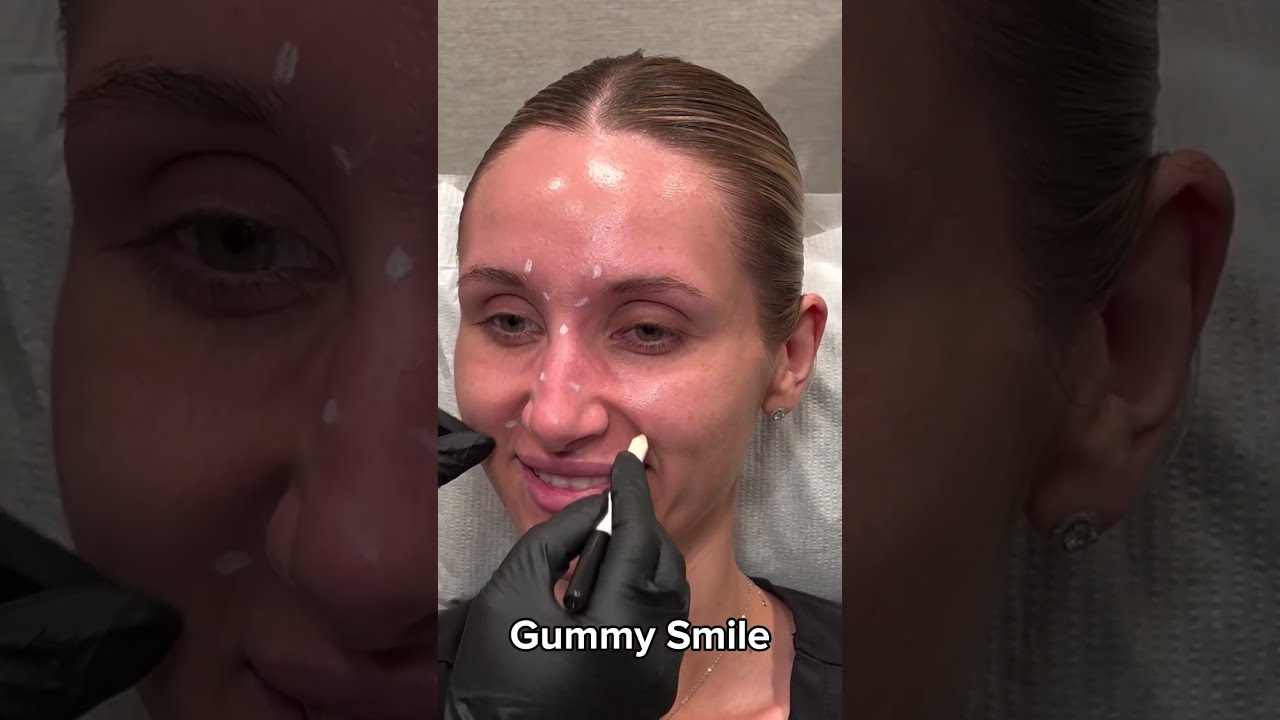
Consent should also cover off-label uses with transparent language. Many effective techniques, such as brow lift tweaks, gummy smile softening, bunny line correction, or jawline contouring via masseter relaxation, are commonly performed off label. Off label is not code for unsafe. It is a frank acknowledgment that facial aging patterns are complex and hard to fit into rigid approvals. A professional will present the known evidence, discuss alternative options, and document your preferences.
The consultation as a diagnostic test
A strong consult feels like a medical visit, not a sales pitch. The injector takes a detailed history: neuromuscular disorders, prior botox cosmetic therapy, last treatment date, pregnancy or breastfeeding status, infections, allergies, and medications that increase bruising risk such as aspirin or fish oil. They ask about your work and lifestyle. A model who needs expressive brows for photo shoots will be managed differently than someone seeking maximally smoothed botox wrinkle care for a big event. The conversation should map your facial priorities: botox for forehead lines that look etched, botox for frown lines that make you look stern, botox for fine lines around the eyes that crease under concealer. Expect photos, standardized angles, and sometimes videos of expression to guide planning and track outcomes across visits.
One of my favorite moments is the mirror session. We raise and furrow brows, smile, and talk. Subtle asymmetries show up in motion. The right injector will point them out, explain how botox facial rejuvenation can help, and where it cannot. This is where realistic goal-setting happens. For instance, a deep static forehead line, present at rest, may need several rounds of botox line smoothing paired with skin resurfacing or microneedling to truly soften. Honest guidance avoids disappointment.
Technique, needles, and dosing precision
Technical decisions shape your results. For botox face injections, many clinicians use 30 to 32 gauge needles. Smaller gauges reduce discomfort and bruising, but they also require slower injection to ensure accurate placement. Reconstitution volume affects spread. Thinner dilution can improve feathering across a broad area, while a slightly more concentrated solution helps anchor effect in a defined muscle belly. Neither is “right” in a vacuum. It depends on your anatomy and the area: for botox facial lines treatment in the periorbital region, a conservative dose with careful lateral placement preserves natural smiling and avoids malar edema.
Advanced practitioners also consider face shape and aging pattern. In a dominant frontalis with high hairline and long forehead, they might layer tiny microdroplets higher on the forehead, avoid heavy central doses, and reshape the brow tail with a nuanced depressor-deactivating pattern. For masseter hypertrophy in jawline contouring, they plan depth and dose to stay within the muscle and away from risorius to prevent smile changes. When patients ask about botox for wrinkles on the nose (bunny lines), an injector who knows the nasalis map will protect nearby levators to avoid upper lip drop.
Safety protocols in the clinic
Small details reveal a lot about standards. Clean exam rooms with sharps containers, single-use needles, fresh gloves for each patient, and visible hand hygiene should be a given. Ask how the clinic handles reconstitution and storage. A professional team documents lot numbers in your chart, monitors fridge temperatures, and discards expired vials. If they use topical anesthetics or cooling, they know when to avoid vasoconstriction that can mislead placement. They also have clear policies about no alcohol swabs near the eye to avoid irritation, and they wait a few minutes after reconstitution to reduce bubble artifacts during injection.
I also look for post-care instructions that reflect real-world scenarios: how to manage bruising, when to resume workouts, what to expect if one eyebrow lifts more than the other in the first week, and when to return for a tweak. Clinics that plan follow-ups at 10 to 14 days for new patients tend to deliver more consistent botox smoothing treatment because they calibrate to your response, not just a template dose.
Evidence of continuing education
Techniques evolve. Professionals who invest in learning improve their outcomes year after year. Look for conference participation, training certificates from recognized societies, peer teaching roles, or published case discussions. Good injectors can reference how they adapted their approach after new research on spread characteristics or antibody formation risk. They know when to rotate neuromodulators and how to minimize immune priming through reasonable dosing and intervals. While neutralizing antibodies are rare, heavy, frequent dosing or extremely short retreatment intervals may increase the chance of resistance. A cautious plan that favors the lowest effective dose and standard 3 to 4 month cycles protects long-term responsiveness for botox anti wrinkle injections.
Red flags that should slow you down
A few patterns should prompt caution:
- Deals that push high unit counts at prices well below market, with vague sourcing information. No medical history intake, no facial animation assessment, or rushed consent. A distant “medical director” with no presence, unclear supervision, or inaccessible follow-up care.
If the injector cannot explain why they propose a certain dose for your botox facial skin treatment, or if they dismiss questions about risks as unnecessary, keep looking. Transparency is a hallmark of competent practice.
Matching credentials to your goals
Credentials should guide you, not intimidate you. If you want botox wrinkle prevention in your late twenties with subtle line softening, an experienced injector at a reputable medical spa with strong physician oversight can be a great fit. If you seek comprehensive facial rejuvenation that integrates neuromodulators, fillers, and skin treatments, a board-certified dermatologist or facial plastic surgeon who handles complex cases may be worth the premium. Therapeutic uses such as masseter discomfort, platysmal banding, or migraines benefit from clinicians comfortable with both cosmetic and functional outcomes.
One of my patients, a 45-year-old attorney, came for botox facial rejuvenation targeted at a stern look from his glabellar complex. He had been receiving high-dose glabella treatment elsewhere, which left his brows flat and his forehead overactive as it compensated. We reduced the glabella units by about 20 percent, added a few feathered units to the lateral frontalis, and softened the corrugators more laterally where he bunched most. The result looked more relaxed and balanced under office lighting and on video calls. The skill was not in using more product. It was in reading his muscle pattern, a skill that comes from training and many faces observed.
The role of photos, lighting, and measurement
Documentation protects you and your provider. Standardized photos, preferably with consistent lighting and neutral background, show baseline lines at rest and in motion. Good clinics take front, three-quarter, and lateral views for areas like crow’s feet and forehead. They may add soft grids or measure brow height from the mid-pupil to brow arch to track subtle changes after botox skin rejuvenation. This rigor matters when you are seeking a natural result, because tiny adjustments, 2 to 4 units, can shift your brow feminism or masculine definition more than you expect.
Integrating botox with broader skin strategy
Credentials alone do not make a plan. A professional should discuss how botox cosmetic can complement your skin goals. Deep etching across the forehead often reflects both movement and dermal thinning. Pairing botox wrinkle softening with retinoids, sunscreen, and procedural options like fractional laser or microneedling can turn small improvements into real skin renewal. For periorbital fine lines, botox facial lines treatment helps, but skincare with peptides and low-irritation retinoids, plus gentle resurfacing, can support a smoother texture. When you see a provider who understands the whole canvas, you avoid chasing each crease with injections alone.
Cultural and gender considerations
Faces carry identity. A well-trained injector respects that. Dosing and placement for botox face enhancement vary across brow shapes, ethnic bone structure, and gender expression. Over-lifting a brow tail in a masculine face can look incongruent, while under-treating the glabella in someone with heavy corrugators can leave a residual scowl. The credential to look for here is not a certificate on a wall, but a portfolio that includes diversity and a consult that asks how you define a good result. Professionals show you variations and explain trade-offs, such as a touch more motion in exchange for a livelier brow.
What follow-up should look like
Two weeks after your first treatment is the right time to judge effect and fine tune. A conscientious clinic invites you back, measures symmetry, and checks whether the targets, such as botox for forehead or botox for crow feet, achieved your preference for movement. Small additions are common: 2 units to lift a heavy brow head, 1 to 2 units laterally to balance a smile line. That precision grows with each visit. By your second or third cycle, your injector should know your tendencies: how quickly you metabolize, where you pull during speech, how lighting at your workplace accentuates certain creases.
Pricing as a proxy for process
Quality has a range, and it is not always the top of the market. That said, extremely low pricing often indicates shortcuts, whether in time allocated per patient or product sourcing. Reasonable pricing for botox cosmetic procedure reflects not just the units used, but the time spent on mapping facial movement, sterile technique, and follow-up. When a clinic charges per area rather than per unit, ask what typical unit counts they use and how they handle adjustments. The best answer is flexible: your anatomy dictates dosing.
Questions that reveal depth
If you want a quick litmus test during a consultation, ask these:
- How do you adjust dosing for forehead treatment when someone has naturally low brows? What is your approach if ptosis occurs, and how soon can you see me? How do you decide between botox wrinkle injections and other options for etched lines at rest?
Listen for clear, confident explanations grounded in anatomy and experience, not vague reassurances. A professional might discuss frontalis-depressor balance, eyelid elevator function, and the use of short-term drops. They might explain that botox facial skin care is for dynamic lines, while etched lines may need resurfacing or biostimulatory approaches alongside neuromodulation.
Special scenarios: athletes, performers, and first-timers
Heavy exercisers often metabolize botox faster. A thoughtful injector may schedule slightly shorter intervals or adjust dosing while preserving natural movement. Performers and public speakers often prefer partial movement in the upper third of the face. Skilled injectors will under-treat specific fibers or place microdroplets in a pattern that softens without silencing expression. For first-timers, conservative dosing with a built-in follow-up prevents oversuppression. The goal is to learn your response pattern and then build toward your ideal botox appearance enhancement.
One of my favorite first-timer strategies is to treat the glabella fully, the forehead gently, and the crow’s feet sparingly, then reassess in two weeks. Patients often discover they value a bit of lateral eye crinkling more than they expected, while loving the calm between the brows. That kind of personalization is the mark of a professional program.
Telemedicine, multi-location chains, and continuity
Telemedicine can streamline consults, but botox injectables require in-person assessment for final mapping. If a practice relies heavily on virtual-only evaluations Have a peek at this website or rotates providers through multiple locations, ask how they maintain continuity. Will the same injector see you for follow-up? Do they document injection sites accurately with facial maps? Consistency matters over time. Even small changes in point placement can affect your look, and good documentation is how clinics keep your results steady across seasons and travel.
Summing up your selection process
Credentials exist to help you predict safety and results, but they are not the whole story. You are looking for a licensed medical professional with meaningful injectables training, ideally board certification in a relevant specialty, ongoing education, and a portfolio that reflects the kind of outcome you want. You are also looking for a clinic that treats consent as education, documents carefully, sources product transparently, and plans follow-up as part of the botox cosmetic service.
A good injector blends science, anatomy, and aesthetics. They know exactly how botox muscle relaxation softens lines, how diffusion changes with technique, and how tiny adjustments protect your expressions. They talk openly about risk, show you how they prevent it, and stand ready to fix problems if they occur. When you find that fit, botox skin smoothing becomes a reliable, low-drama part of your routine for facial rejuvenation.
A short checklist for the day of your visit
- Verify the provider’s licensure and, if applicable, board certification, along with onsite physician oversight. Confirm the product brand, lot number, and storage practices; ask politely to see the vial if you are unsure. Expect a thorough consult with animation assessment, clear dosing plan, and written aftercare. Schedule a 10 to 14 day follow-up for assessment and tweaks if this is your first or a new-to-you injector. Bring your calendar and be honest about events; the plan should account for photos, travel, and workouts.
Looking ahead
The best botox professional injections do more than erase lines. They help you look rested and engaged, maintain the individuality of your face, and age along a trajectory that feels like you. With the right credentials and a methodical approach, botox facial aesthetics becomes predictable, safe, and tailored. That is the standard worth insisting on, whether you are seeking botox wrinkle prevention in your thirties, a refreshed brow in your forties, or ongoing botox cosmetic face care that supports graceful aging for the long run.